Equipment page · Glasswasher

Blue Seal SG-4-E2

Bunk Leicester wine glasses are coming out cloudy/marked after washing. The SG-4-E2 includes an internal salt water-softener system, so salt and regeneration should be checked before arranging extra filtration.

Venue
Bunk Leicester
Equipment
Blue Seal SG-4-E2 glasswasher
Symptoms
Cloudy/spotty wine glasses after wash
Serial / asset tag
Not yet recorded
Status
Open · wash-result fault

Search this page

Find causes, checks or parts

Issue brief · opened 2026-09-10

Cloudy or marked wine glasses

OpenGlasses are not leaving the machine clear and bright

1. Symptoms and evidence

  • Bunk Leicester wine glasses reported coming out cloudy/marked.
  • Supplied photos show a cloudy/spotty-looking finish on the bowl and lower glass.
  • Manual identified as Blue Seal SG-4-E2.
  • Outcome, chemicals, water hardness and salt-alarm state not yet recorded.

2. Most likely causes

  • Hard-water scale because the built-in softener is empty, not regenerated or set incorrectly.
  • Rinse-aid bottle empty, wrong setting, blocked pickup tube or dosing pump not primed.
  • Too much/too little detergent, incorrect chemical type, low wash/rinse temperature or blocked spray nozzles.
  • Glasses already etched/corroded by repeated hot alkaline washing; this is usually permanent.
  • Dirty tank/filter, poor drainage, overloading or glasses touching each other.

3. Salt and water-treatment answer

Does SG-4-E2 have a salt space?

Yes. The Blue Seal manual has a “Filling the Salt Tank” section and states that alarm F4 means the tank needs filling. It describes an internal resin softener and regeneration cycle. Use only dishwasher/water-softener salt tablets; never table salt, detergent or rinse aid.

Do we need an external filter?

Not automatically. First refill/regenerate the internal softener if required and confirm the machine’s water-hardness setting. Test the incoming water and check the softener is actually regenerating. If hardness is high, capacity is inadequate, the internal unit is not working, or site water treatment is shared across equipment, organise a correctly sized external manual/automatic water softener or suitable RO treatment through a warewashing supplier. An external filter does not replace detergent/rinse-aid setup and should not be installed without confirming flow, pressure and waste requirements.

Is the cloudiness permanent?

Wipe one dry glass with white vinegar or citric-acid solution and rinse. If the film clears, minerals/chemical residue are likely. If it does not clear, the glass may be etched; changing the washer settings will not restore it. Do not use acid inside the machine or mix acids with cleaning chemicals.
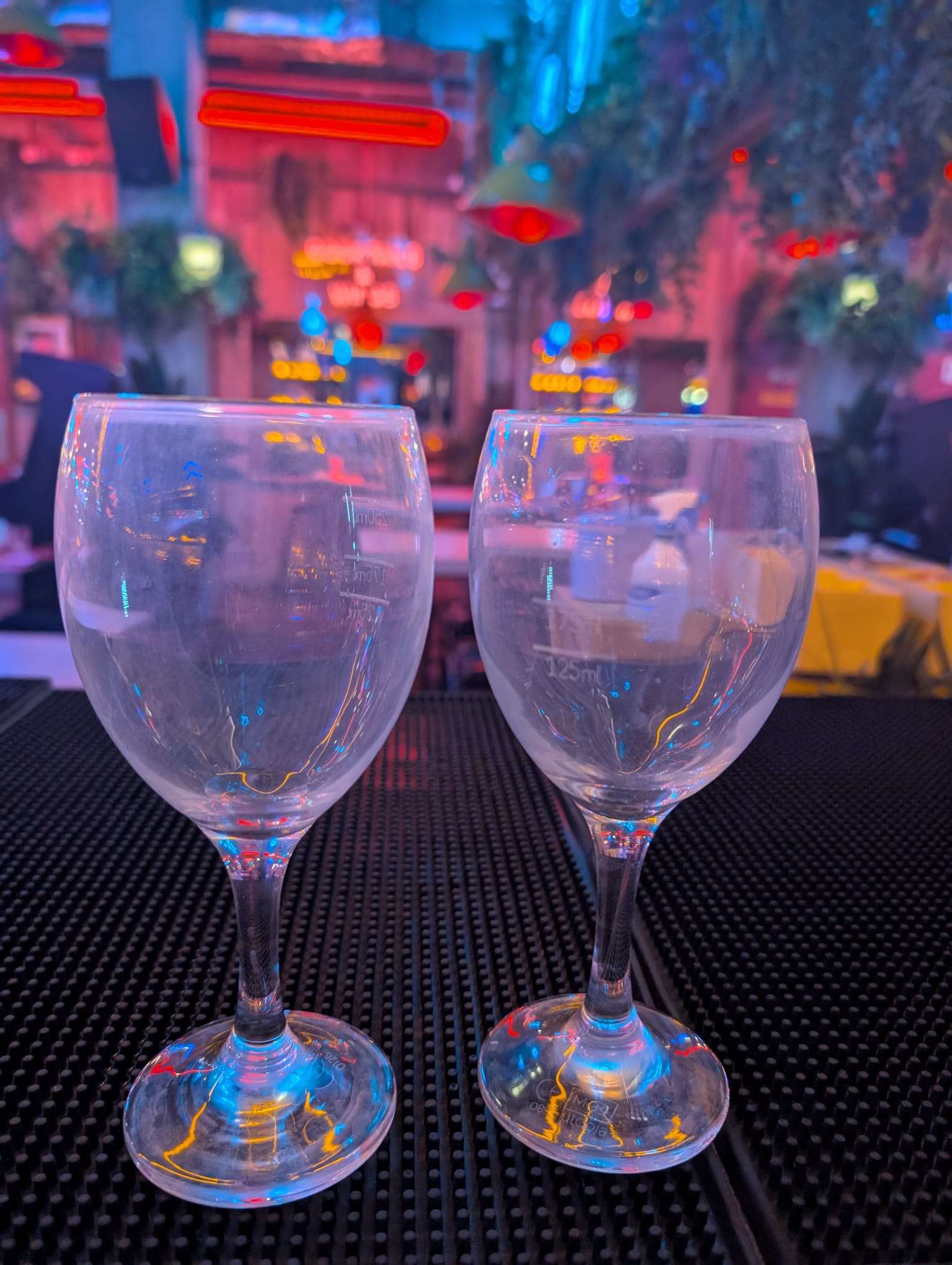
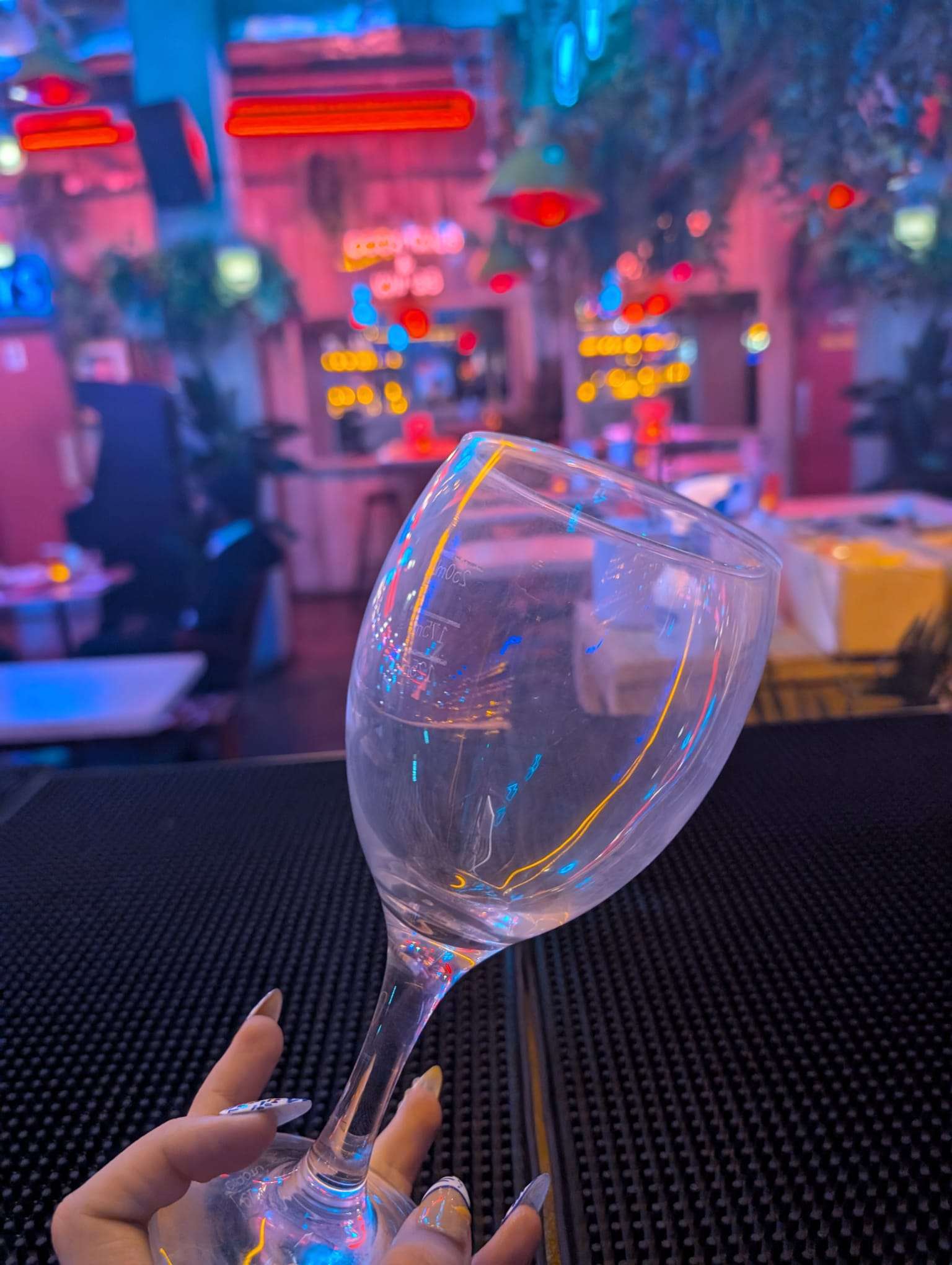
4. Timeline / current status

  • 10 September 2026: cloudy/marked wine-glass result reported and photographed.

Awaiting F4/salt status, water-hardness reading, chemical setup and wipe-test result.

Operator checks first

Corrective sequence

  1. Separate film from etching: test one affected dry glass with white vinegar or citric acid externally. If it clears, treat mineral/chemical residue; if not, suspect permanent etching.
  2. Check the display: look for F4, the manual’s salt-refill alarm. If present, follow the manual: tank empty, door closed, add the specified salt tablets to the salt tank, then run the required regeneration cycle.
  3. Check the salt tank: locate the dedicated cap/container and confirm it contains the correct salt. Never pour salt into the chemical dosing containers. Wipe/rinse away spilled salt from metal surfaces.
  4. Confirm water hardness: obtain a hardness test for the incoming supply and verify the machine’s softener setting. Do not guess the setting or assume the softener is working because salt was added.
  5. Check rinse aid: bottle level, pickup tube, tube colour/connection, dosing pump prime and dosage setting. Too little causes spotting; too much can leave a film.
  6. Check wash conditions: correct commercial glasswasher detergent, clean tank/filter, clear wash/rinse nozzles, good drain, correct temperatures and no overloading. Run a fresh cycle with correctly loaded glasses.
  7. Escalate if unchanged: have a warewashing engineer test softener regeneration, resin/valve, dosing volumes, water hardness, temperatures, rinse pressure and scale.

Do not serve from visibly dirty or chemically marked glasses. Quarantine glasses that remain cloudy after the wipe test; some may be permanently etched and need replacement.

Evidence to collect

Before ordering filtration

  • Photo of display showing whether F4 is present.
  • Photo of internal salt-tank cap/label and current salt level.
  • Water-hardness test result in °fH or °dH.
  • Detergent and rinse-aid product names, levels and dosing settings.
  • Glass before/after vinegar wipe test.
  • Wash/rinse temperatures and whether the problem affects all glasses.

Evidence

Cloudy wine glasses · Bunk Leicester

Cloudy wine glasses after washing at Bunk Leicester
Supplied photo: cloudy/marked-looking finish on wine glasses.
Close view of cloudy wine glass after washing at Bunk Leicester
Supplied close view for comparison after salt, chemical and water checks.

Manual and water treatment

Blue Seal SG-4-E2 references

MANUAL

SG-4-E2 use & maintenance manual

Pages cover salt tank filling, regeneration, displayed alarms, cleaning, descaling and troubleshooting.

Open manual
WATER SOFTENER

Blue Seal WS08 / WS16

External manual softeners are available for SG/SD glasswashers where site hardness or capacity requires it.

View softener option
SUPPLIER

Blue Seal SG4E2 product reference

Confirm configuration, pressure and water-treatment compatibility with the supplier.

Open product page

Copy/paste engineer handover

Cloudy-glass investigation

Bunk Leicester — Blue Seal SG-4-E2 glasswasher. Wine glasses reported cloudy/marked after washing on 10 September 2026. Please record whether display shows F4, inspect/refill/regenerate the internal salt softener using correct salt tablets, test incoming water hardness and verify softener setting/function. Check detergent/rinse-aid products, pickup tubes, dosing volumes, tank/filter/nozzles, wash/rinse temperatures, pressure and drain. Perform a vinegar/citric wipe comparison to distinguish removable mineral film from permanent glass etching. Recommend external softener/RO only after hardness, flow/pressure and internal-softener condition are confirmed.